

The Leading Provider of Home Ketamine Therapy
NOVA Health Recovery Ketamine Center offers Ketamine infusions, oral ketamine, and nasal spray ketamine for mood disorders and chronic pain
Ketamine Oral Tablets and Ketamine Nasal Spray Therapy for Depression, PTSD, Anxiety, and Pain in Virginia
Rapid Depression Relief with Home Ketamine Therapy
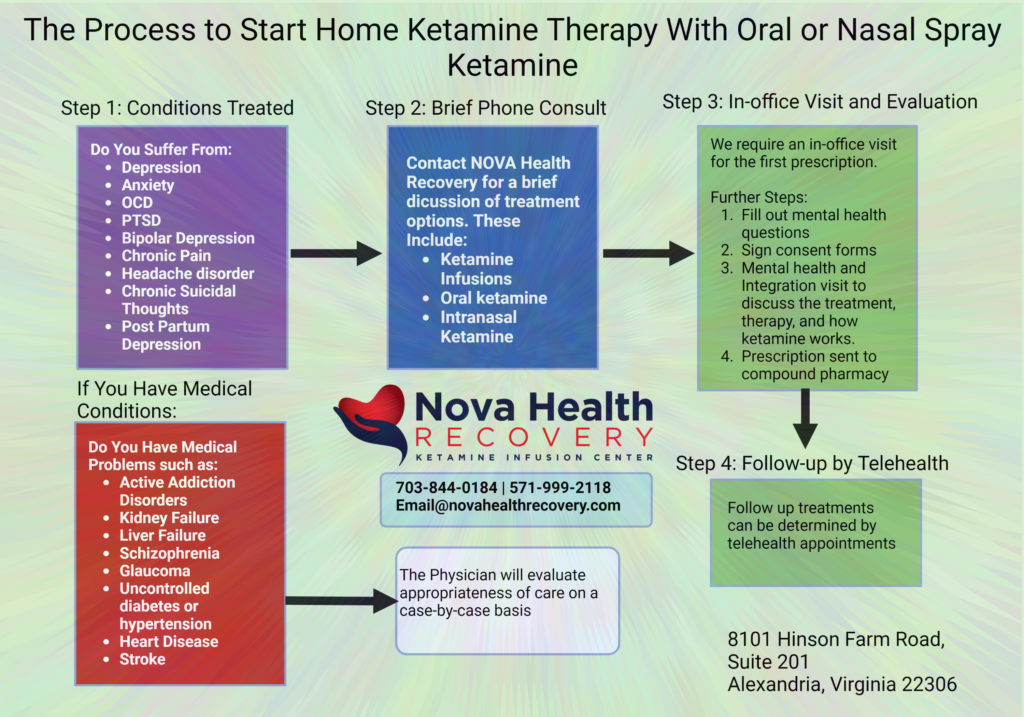
NOVA Health Recovery Ketamine Infusion Center offers home-based ketamine therapies for Depression, Bipolar depression, PTSD, anxiety, Chronic pain, suicidality, OCD, and other conditions. This treatment is suitable for patients who have been diagnosed with a mood disorder and no active substance use disorders. Patients using this therapy include those who have completed the ketamine infusion series and need maintenance therapy, those who would like to moderate depression with home treatments, and people with chronic pain.
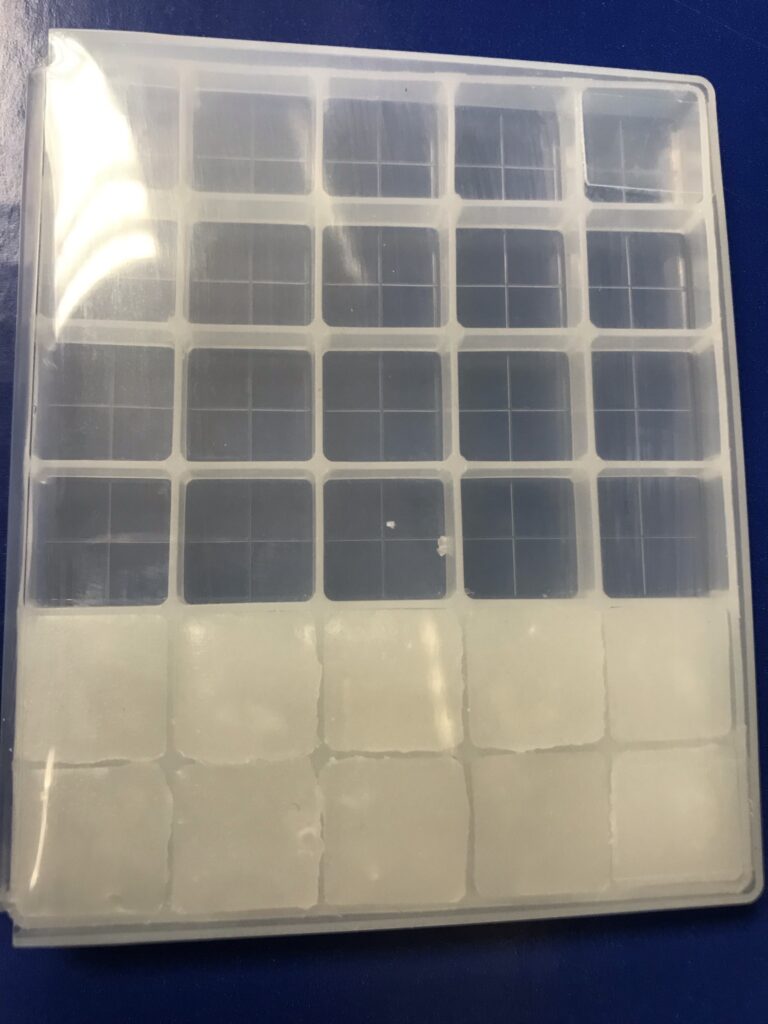
Oral Ketamine Therapy
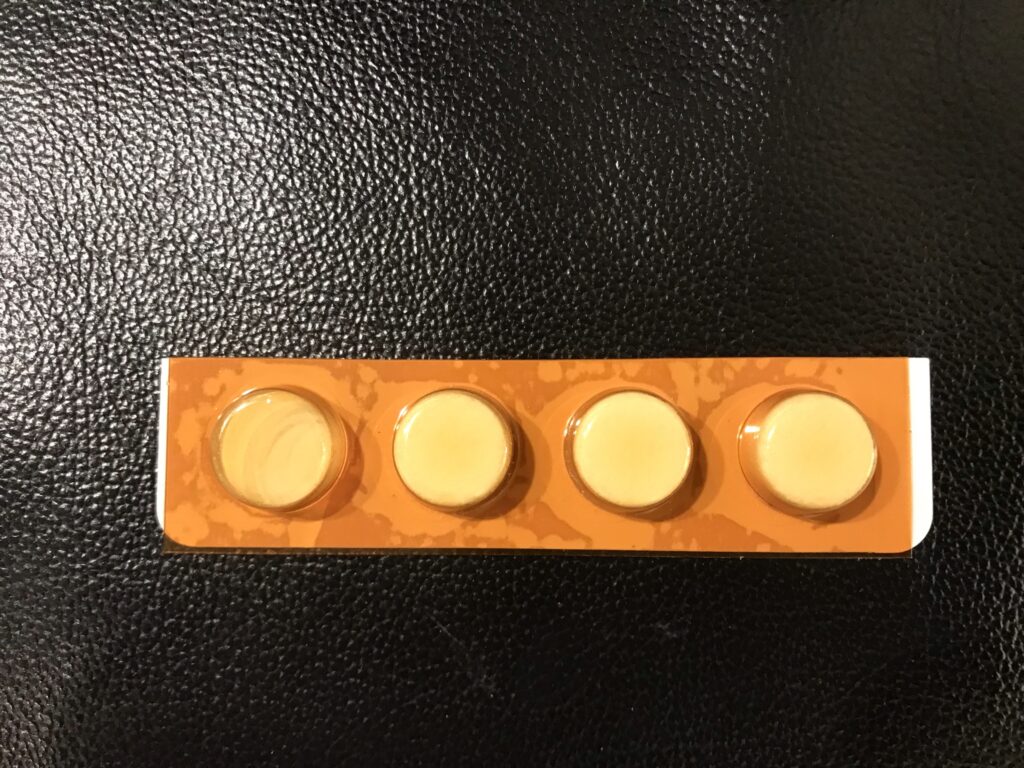
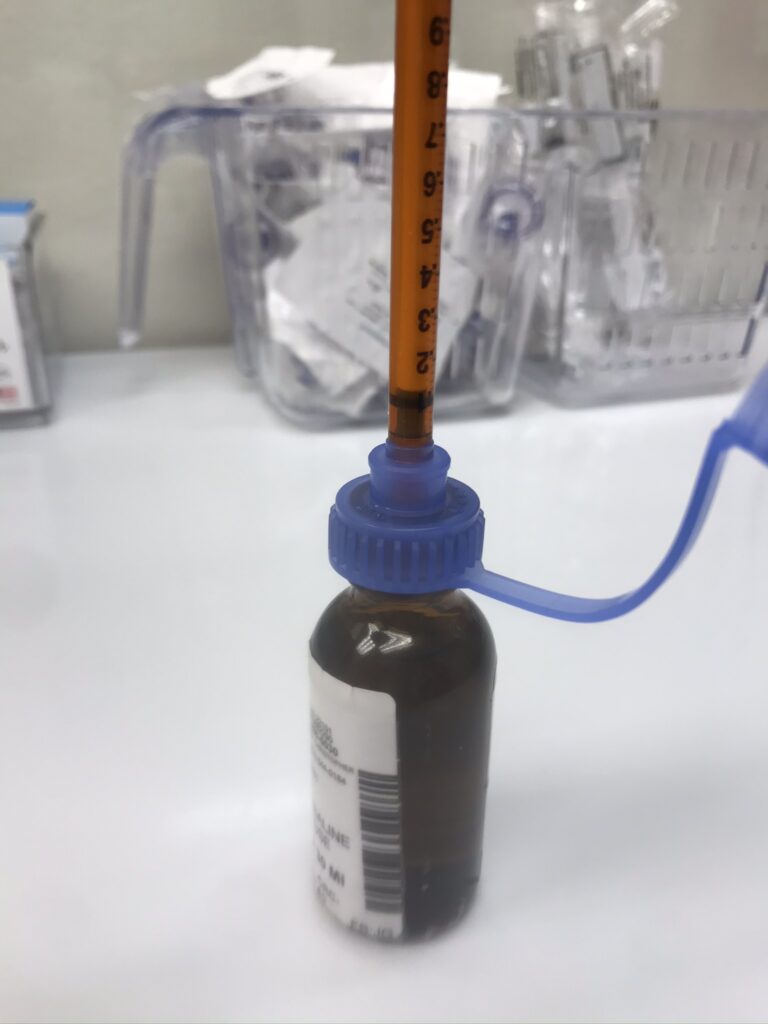
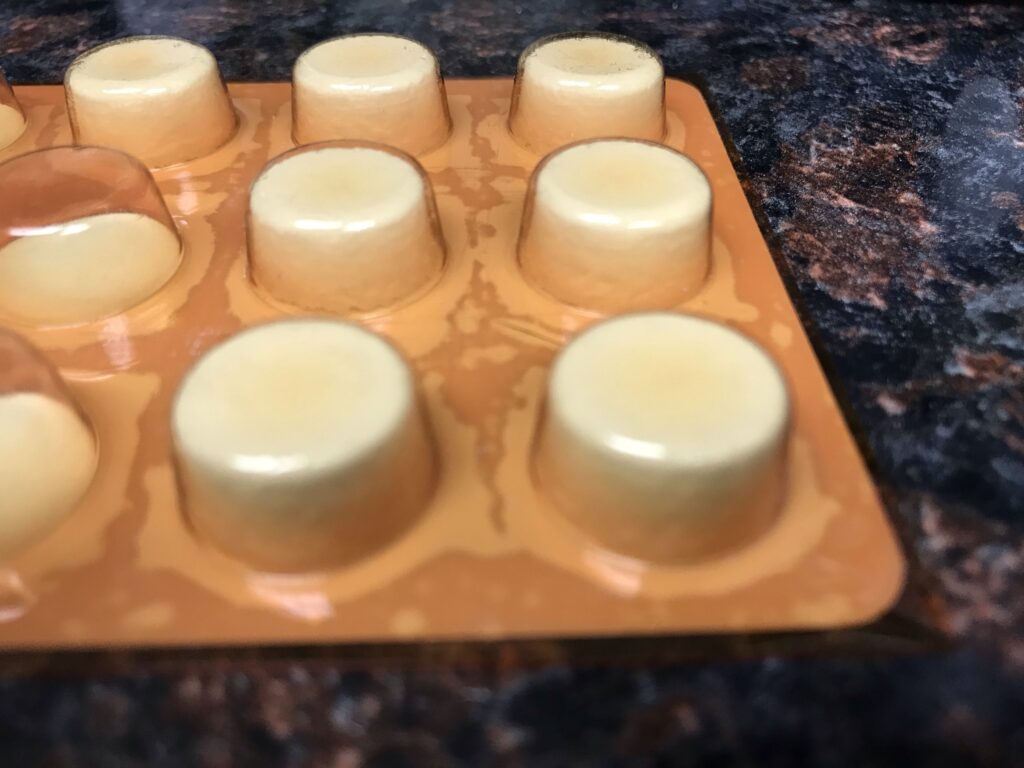
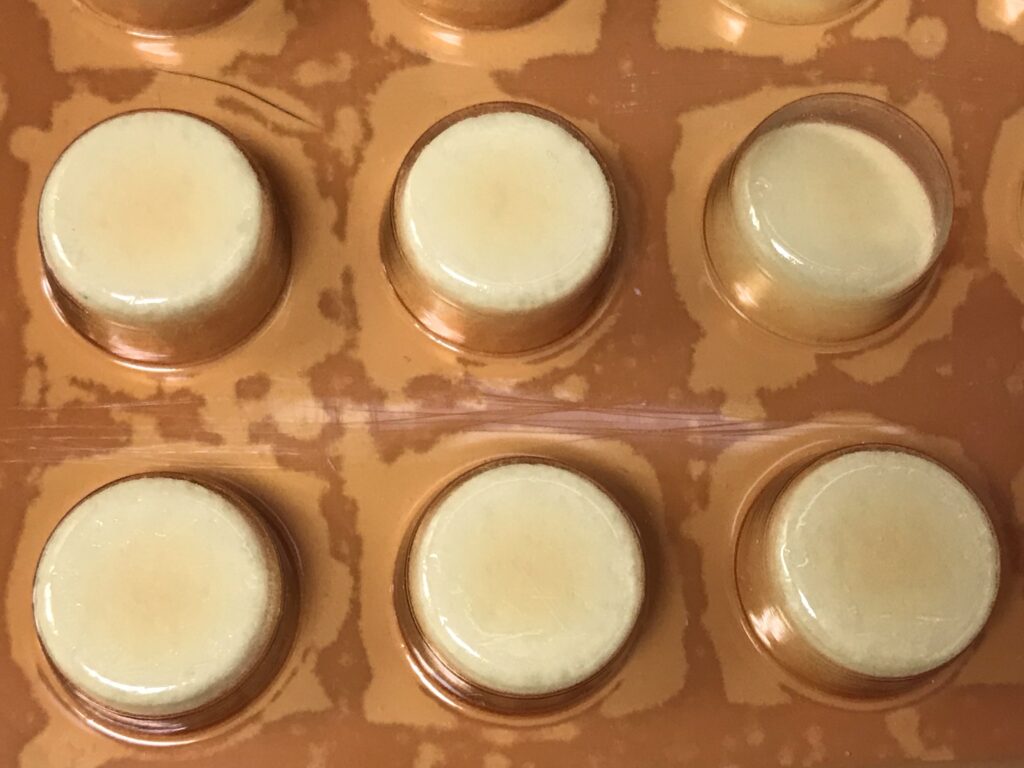
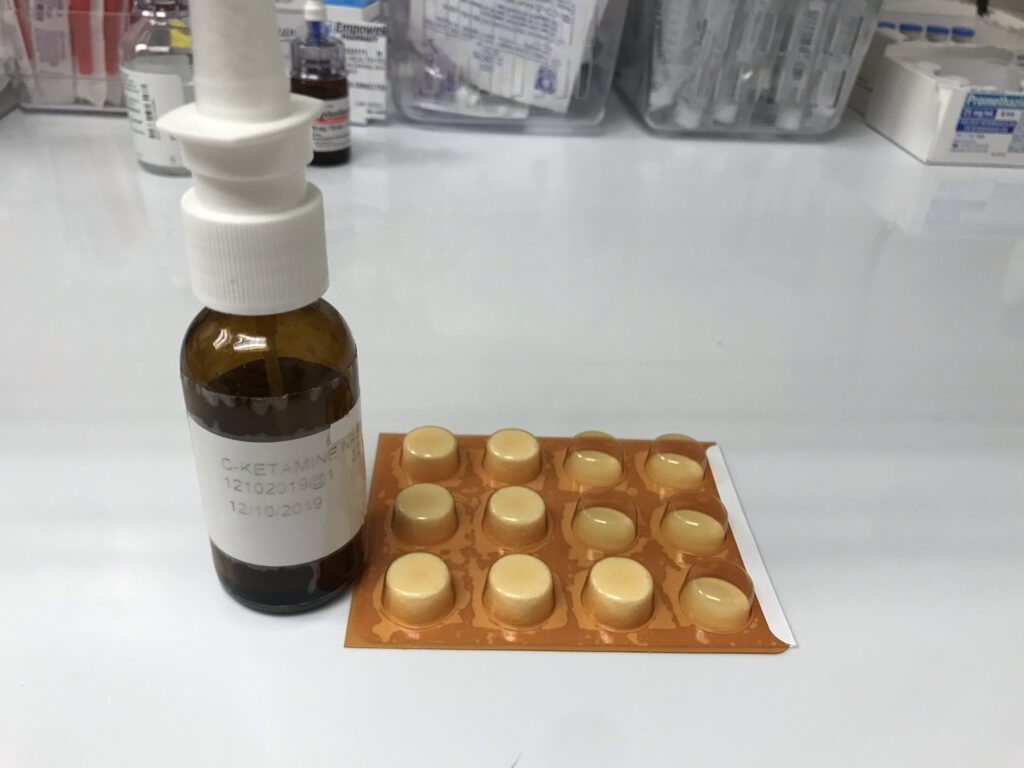
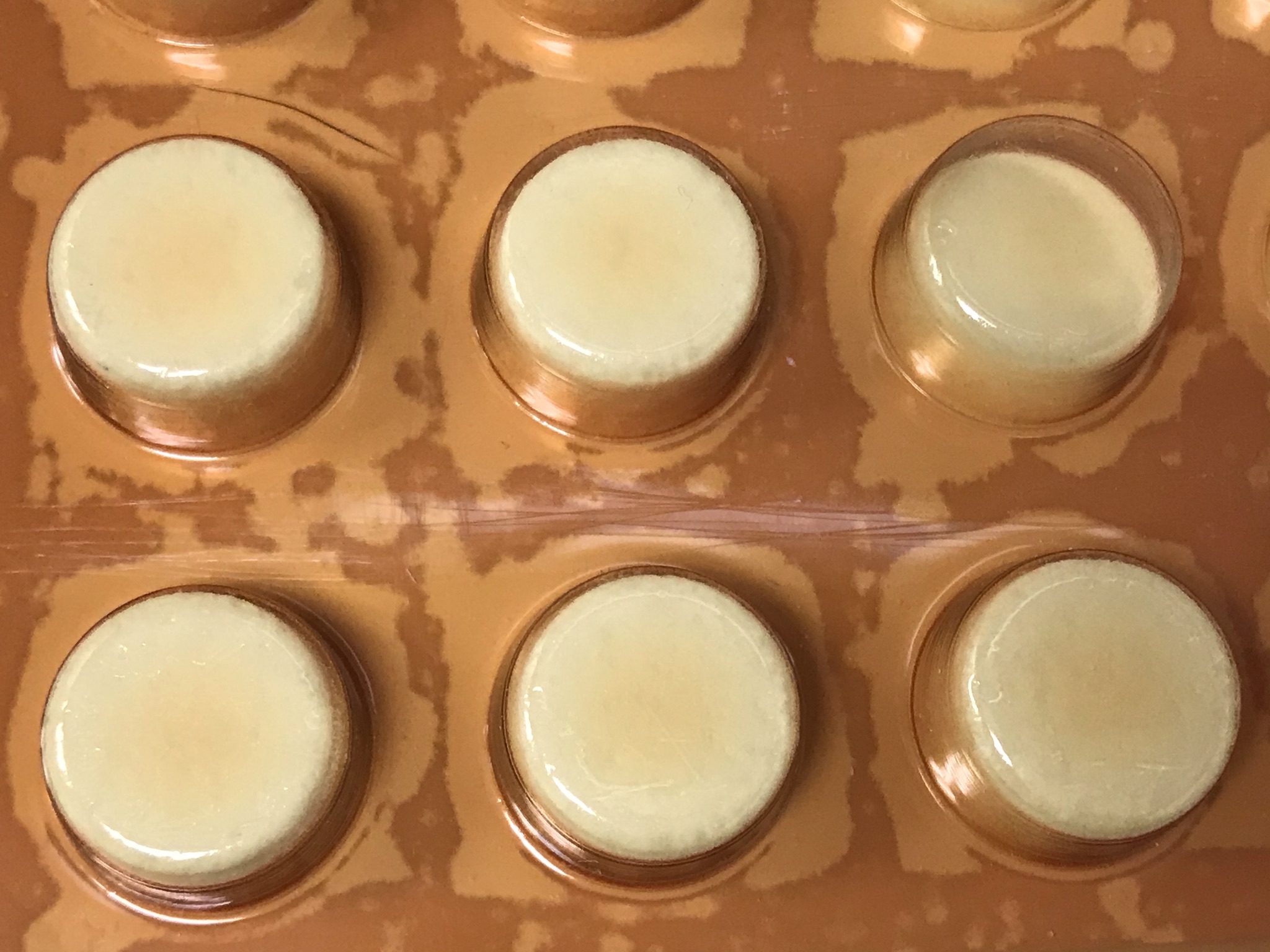
Ketamine Tablets, ready-to-dissolve tablets, and troches for depression, suicidality, anxiety, and pain. Used in a prescriptive manner, treatments vary by the patient weight and mental health condition. Tablets are dissolved under the tongue, and the medication is absorbed there. Results can be seen within several days in an incremental fashion. This treatment can be used with Ketamine-assisted psychotherapy to augment CBT, EMDR, and other psychotherapies. This therapy is generally used as a micro-dosing strategy and does not lead to dissociation unless the prescription is targeted for Ketamine-assisted psychotherapy.
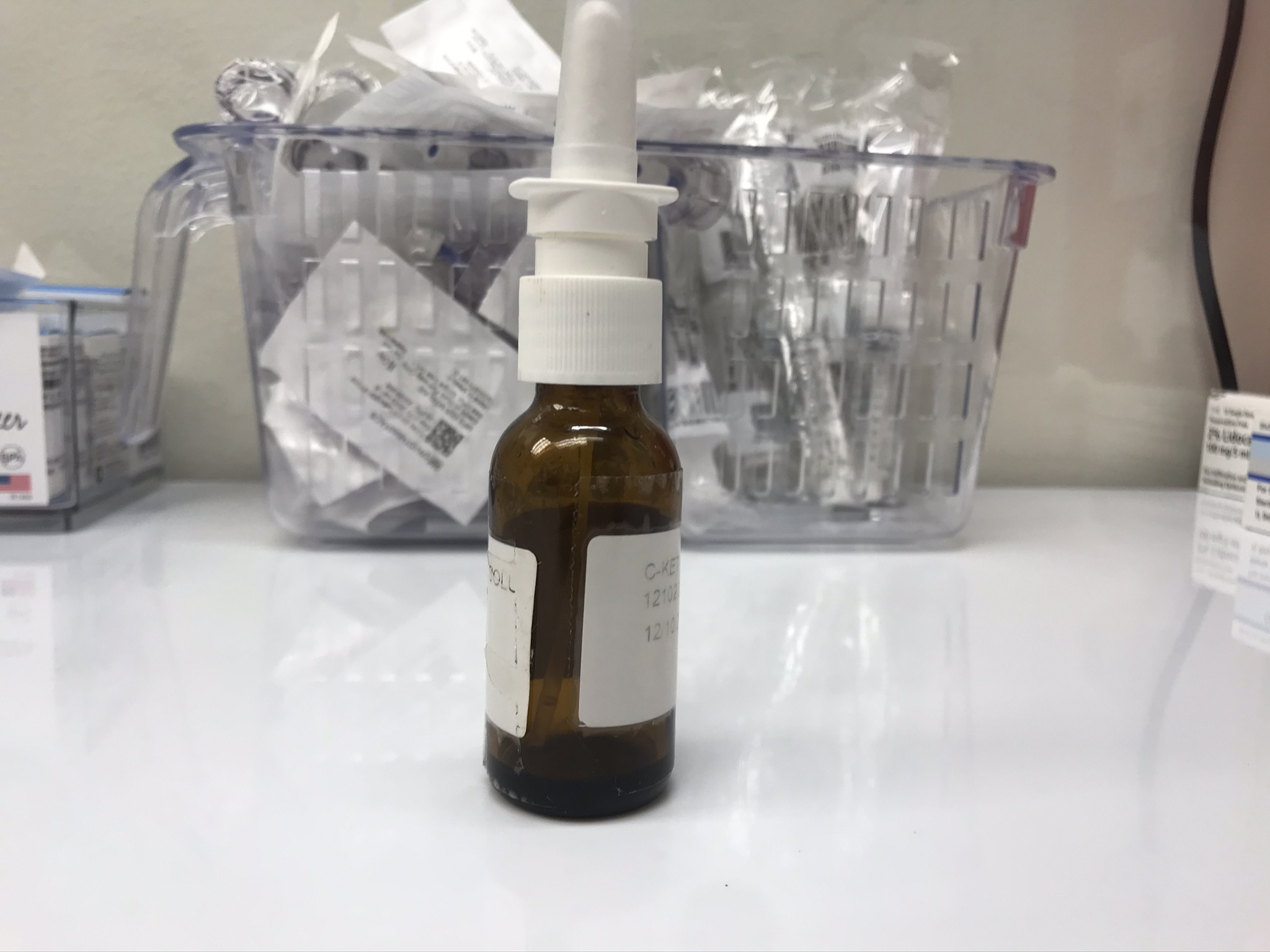
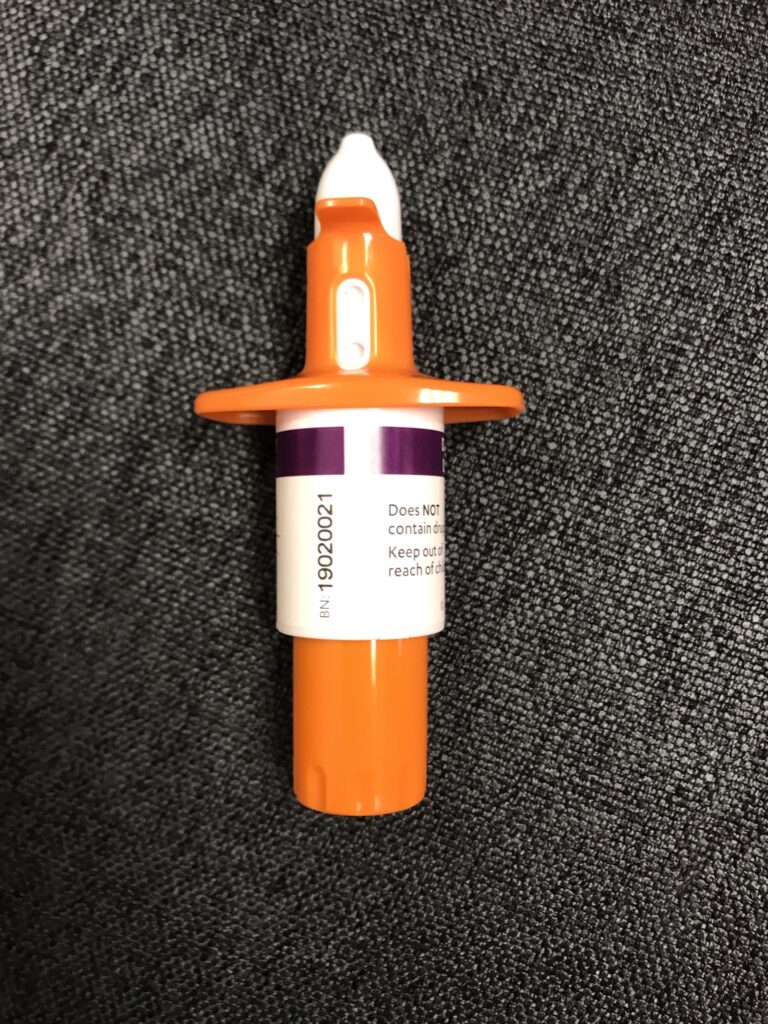
Ketamine Nasal Spray
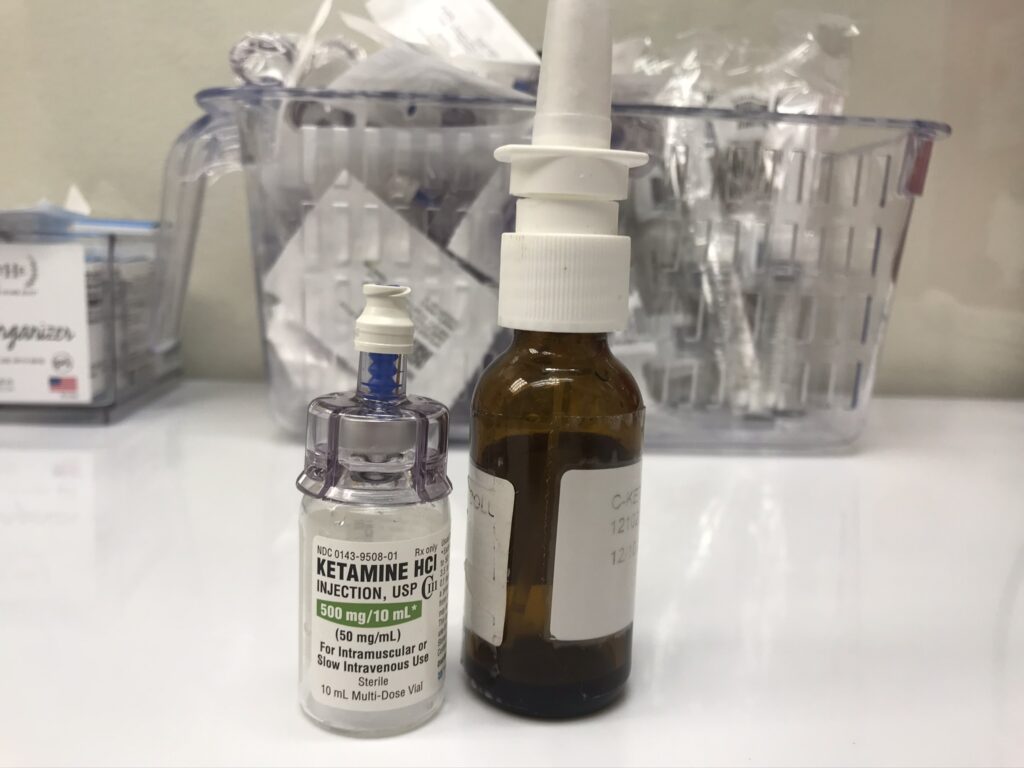
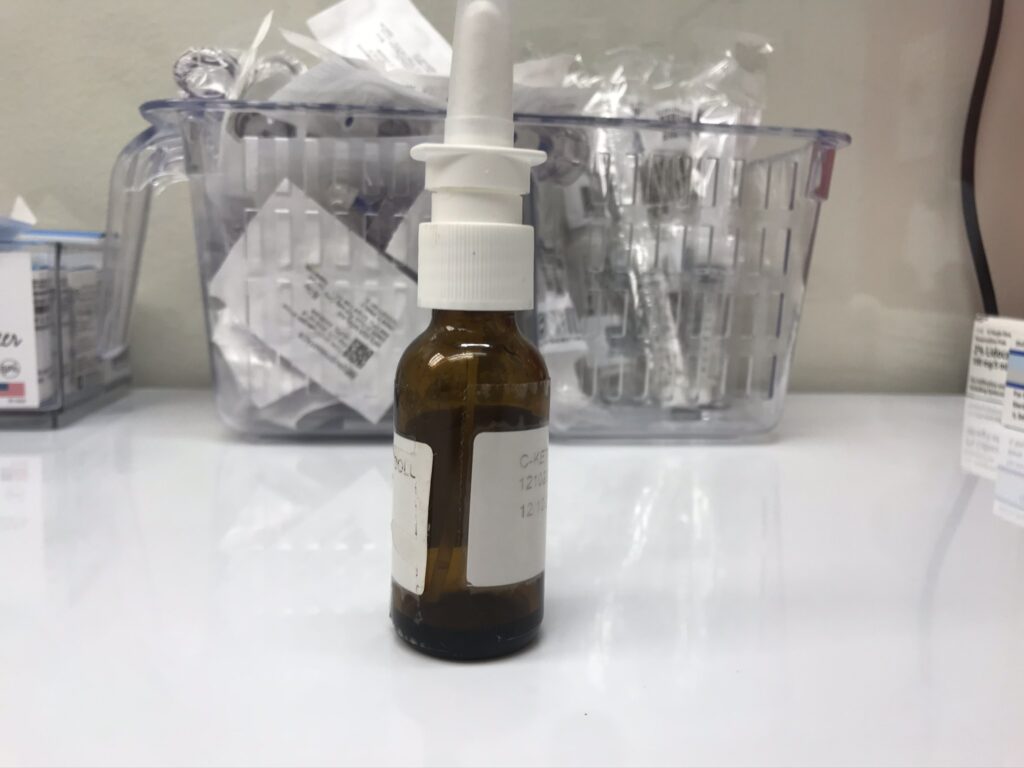
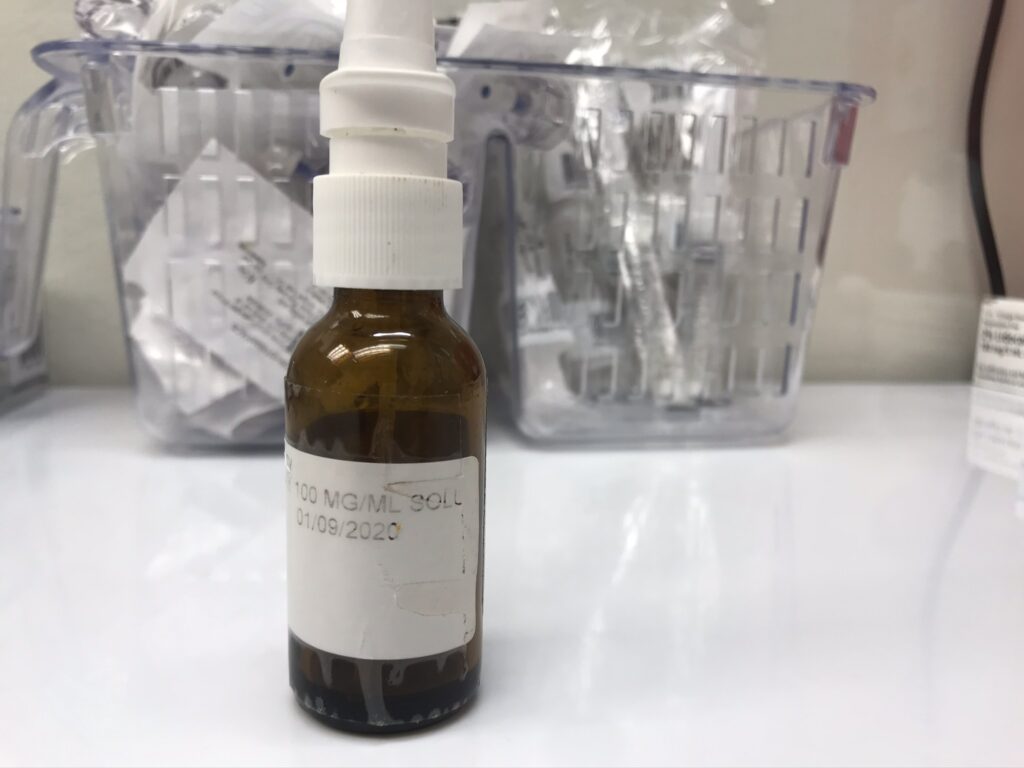
Ketamine nasal spray is compounded, racemic ketamine that has more rapid absorption than tablets. It is generally used at home several days a week for the treatment of depression, anxiety, PTSD, and chronic pain. This can be used to maintain the effects of ketamine infusions as well as treatment for depression or anxiety disorders from the ground up.
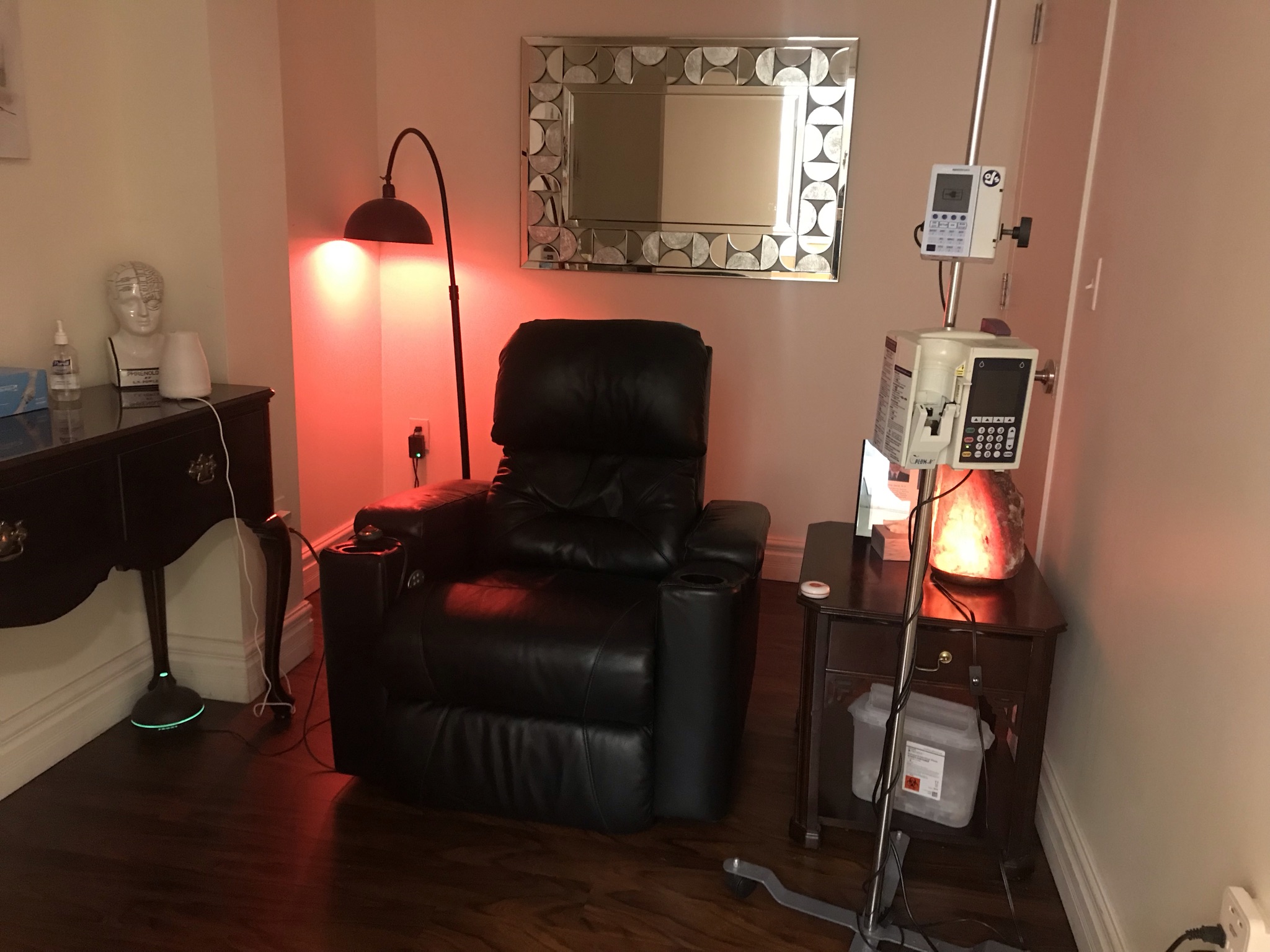
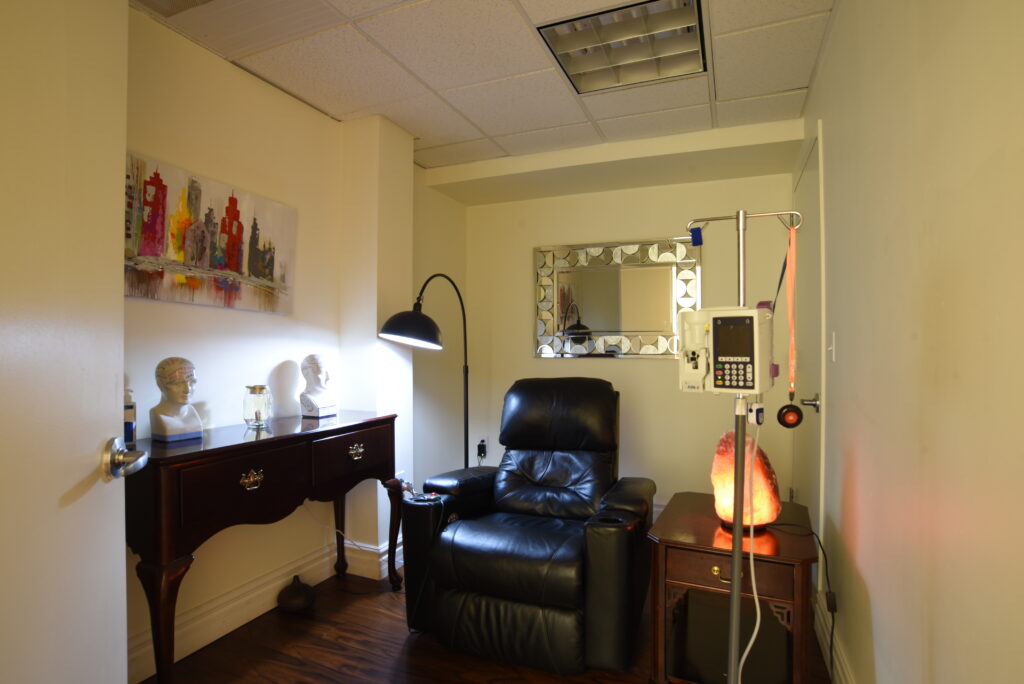
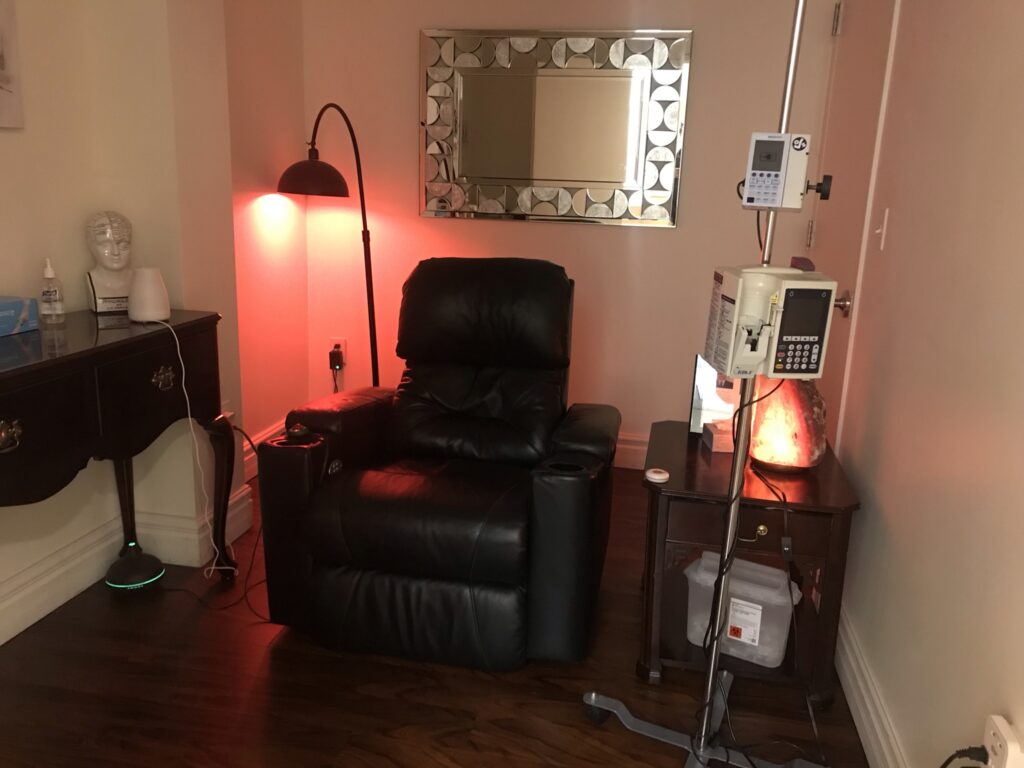
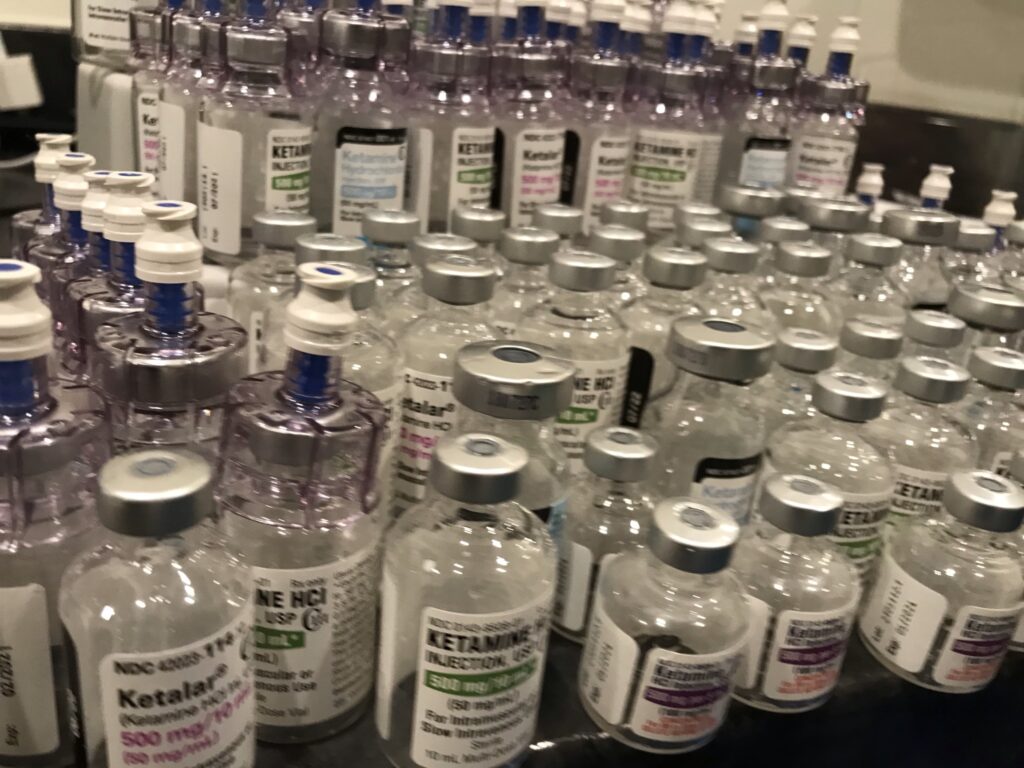
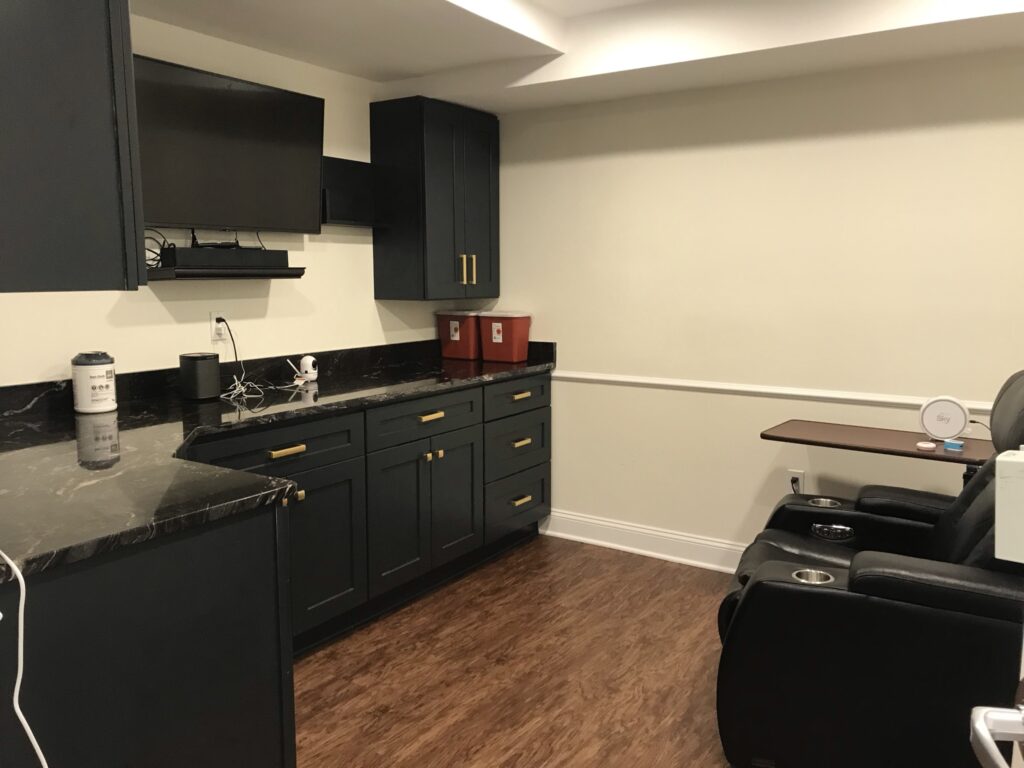
Ketamine Infusions for Rapid Depression Relief
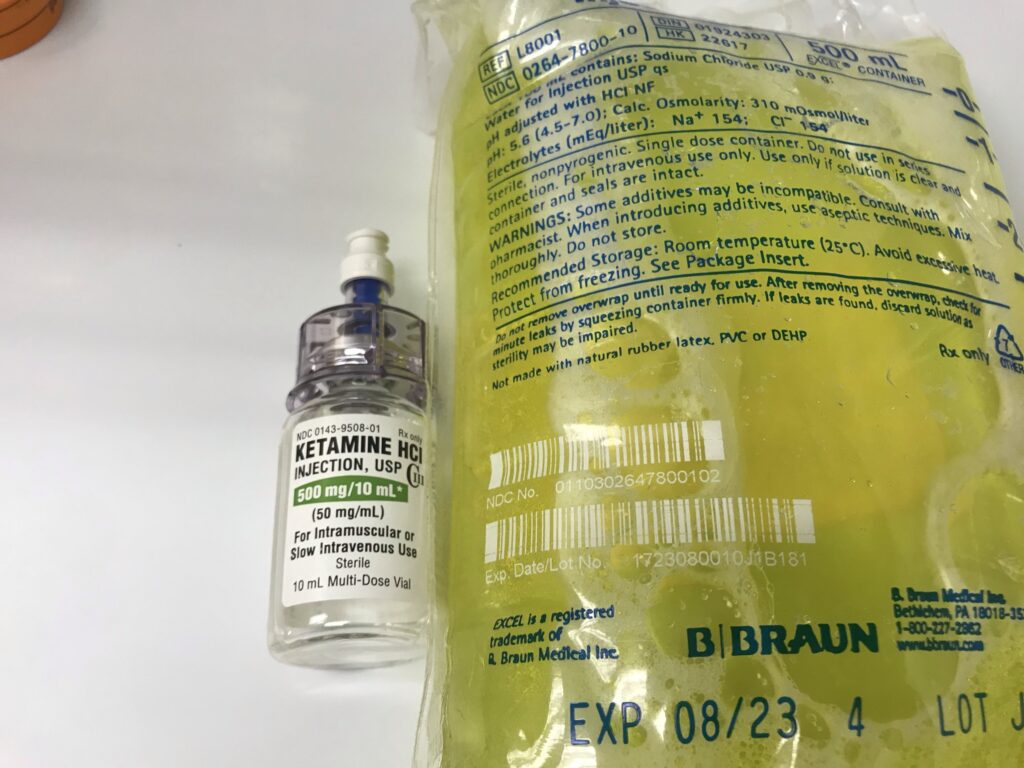
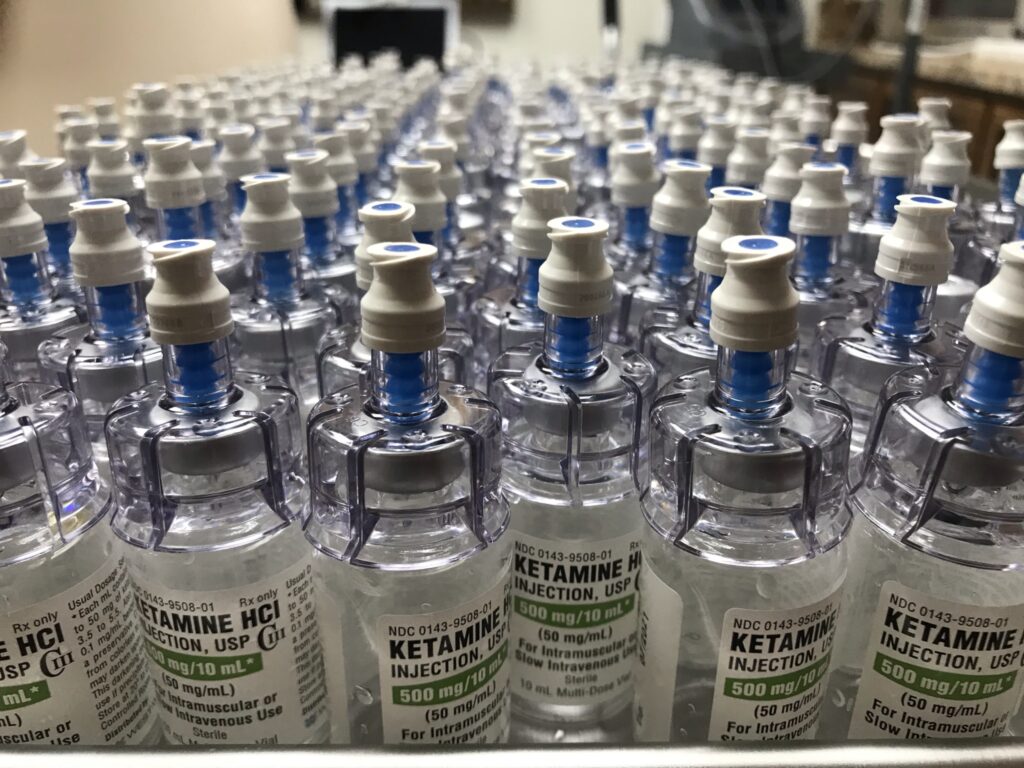
Ketamine infusions offer the most rapid and effective therapy for depression, PTSD, anxiety, suicidality, bipolar depression, and Pain. After an initial series of 6 infusions over two weeks, 75 % of patients have remission or significant improvement in their mood. They are then transferred to home-based ketamine therapies at NOVA Health Recovery.

Ketamine assisted Psychotherapy
Augment your psychotherapy with ketamine nasal spray and oral lozenges. Augment your initial antidepressant therapy with oral and nasal-spray ketamine. Ketamine treatment is more effective with psychotherapy and psychotherapy results are enhanced by ketamine treatments. Contact NOVA Health Recovery for more information.

Videos About Ketamine Therapy at NOVA Health Recovery:

- You’ve made the decision to seek treatment for PTSD. That decision alone took courage, especially if you’ve been managing symptoms for months or years. Now comes the question that nearly everyone asks: What happens next? The first month of PTSD treatment is a critical period that sets the foundation for your recovery. Research shows that…
- When you’re living with PTSD, it can feel like your brain has betrayed you. Why do you react to harmless situations as if they’re life-threatening? Why can’t you just “move on” from something that happened months or years ago? Why do certain sounds, smells, or places trigger such intense reactions when you know, intellectually, that…
- You survived something traumatic years ago. You thought you moved past it. But lately, the nightmares are back. You’re on edge in ways you haven’t been since right after it happened. Your mind keeps returning to memories you thought you’d processed. If this sounds familiar, you’re not experiencing a setback in your recovery. You may…
- Obsessive-Compulsive Disorder, or OCD, is a mental health condition affecting many people. It changes how they think and feel about everyday things. If you have OCD, you might experience obsessions, which are unwanted and intrusive thoughts that make you anxious or uncomfortable. For example, you might have a strong fear of germs. To feel better,…
- Depression is much more than just feeling down or having a bad day. It’s a serious mood disorder that can change how you think, feel, and go about your daily life. For example, someone with depression might feel very sad most days, have little energy, or find it hard to focus (Hong Fang et al.,…
- Complete 2025 ketamine therapy guide featuring real crisis recovery lessons. From treatment basics to advanced integration, plus authentic resilience tools learned rebuilding after trauma. Your roadmap to healing through difficulty.
- Dr. Ko shares an unexpected lesson from building a 570-piece Lego set with his daughter: tackling hard challenges makes everything else feel easier. Drawing parallels between complex Lego builds and the discomfort of stepping outside our comfort zones, he explores how facing difficult experiences – whether in life or during ketamine therapy – expands our […]
- While rebuilding his ketamine clinic after a car bomb explosion, Dr. Ko shares how focusing on obstacles was actually hindering his progress. Drawing from Dan Millman's board-breaking lesson and the brain's negativity bias, he explains why outcome-focused intentions work better than obstacle-focused thinking – both for clinic rebuilding and ketamine therapy. Learn how to shift […]
- Dr. Ko shares a personal story about chess grandmaster Josh Waitzkin, who got worse at chess when he abandoned his natural aggressive style for expert advice. Drawing parallels to his own experience rebuilding after a clinic explosion, Dr. Ko explores how authenticity often serves us better than trying to be perfect, and how ketamine therapy […]
- Dr. Ko shares a personal update following a car bomb explosion that damaged their ketamine clinic, along with three practical resilience tools that are helping during this challenging time. Learn about the FMA mnemonic for focusing on what you can control, the Stoic philosophy of amor fati for accepting and finding meaning in difficult circumstances, […]
- Self-worth is often confused with self-esteem, yet the two are distinct. Self-esteem relies on achievements and external validation, while self-worth is the inherent value we all possess. Cultivating unconditional self-worth begins with self-compassion—treating yourself with kindness and understanding, especially during times of struggle. By practicing self-compassion, you build a foundation for recognizing your intrinsic worth, […]
- Our lives are filled with stressors that challenge our emotional and physical well-being. How we respond to these challenges often depends on the flexibility of our nervous system. This flexibility allows us to adapt, recover, and thrive despite adversity. A “flexible” nervous system and “emotional regulation” are terms you may be coming across lately. Below, […]
- In today’s technology-driven world, excessive screen time is linked to mental health issues, cognitive challenges, and physical health risks. Research highlights the significant impact of screen overuse on overall well-being. A digital detox, whether extreme or accessible, can help reverse these effects. The Impact of Excessive Screen Time Several studies have highlighted the detrimental effects […]
- Seasonal Affective Disorder (SAD) is a type of depression that occurs in a predictable seasonal pattern, often beginning in the fall and lasting through the winter months. The disorder is marked by symptoms such as persistent sadness, fatigue, and changes in appetite and sleep patterns. SAD is thought to result from a combination of reduced […]
- Grief is a reflection of your capacity to love. The holiday season often emphasizes togetherness and celebration, but for many, it can also magnify feelings of grief and loss. Whether it’s the passing of a loved one, the end of a relationship, a career shift, or simply being far from family, the absence of what […]
- You followed all the recommendations. You purchased a 10,000-lux light box and used it faithfully every morning for thirty minutes. You started in early fall, before symptoms appeared. You positioned yourself at the right distance and made it part of your routine. Six weeks later, you’re still exhausted, still struggling with motivation, still dreading each […]
- If you’ve experienced the same pattern of winter depression for two or more consecutive years—feeling fine through spring and summer, then struggling with low mood, fatigue, and changes in appetite as fall arrives—you’re likely dealing with seasonal affective disorder. The evidence-based treatment options for SAD include bright light therapy, cognitive-behavioral therapy adapted for seasonal depression, […]
- You wake up exhausted despite sleeping ten hours. By mid-afternoon, you’re hunting for bread, pasta, or sweets with an intensity that feels almost desperate. You finish a full meal and within an hour, you’re back in the kitchen looking for more carbohydrates. This isn’t a lack of willpower—it’s your brain attempting to self-correct a neurochemical […]
- If you’re a nurse, doctor, or healthcare worker pulling night shifts through winter in Boise, that persistent heaviness you feel isn’t just exhaustion. When you leave work as the sun rises and sleep through daylight hours, your body never receives the light signals it needs to regulate mood and energy. Seasonal affective disorder hits shift […]
- You’ve decided to seek treatment for complex PTSD. That decision alone required courage. Now comes another critical choice: finding the right therapist. Not all trauma therapists are created equal, and the fit between you and your provider matters enormously. Research consistently shows that the therapeutic alliance—the relationship between you and your therapist—predicts treatment outcomes as […]